
Does Brazilian Waxing Make Hair Grow Back Thinner?
Sick of shaving every few days and wondering if waxing is actually worth it?
If you’ve ever typed “does Brazilian waxing make hair grow back thinner” into Google, this blog is for you. Clients ask this constantly and they’re not just chasing smoother skin. They want results that last.
Here’s the deal: Yes, Brazilian waxing can make your hair grow back thinner. But it’s not instant. It’s not guaranteed. And it definitely doesn’t happen after one appointment.
This blog breaks down what actually happens to your hair follicles, how long it takes to see real change, and why it doesn’t work for everyone. You’ll also get real-world strategies to make your results last longer, feel better, and look smoother between sessions.
What Actually Happens When You Wax Consistently
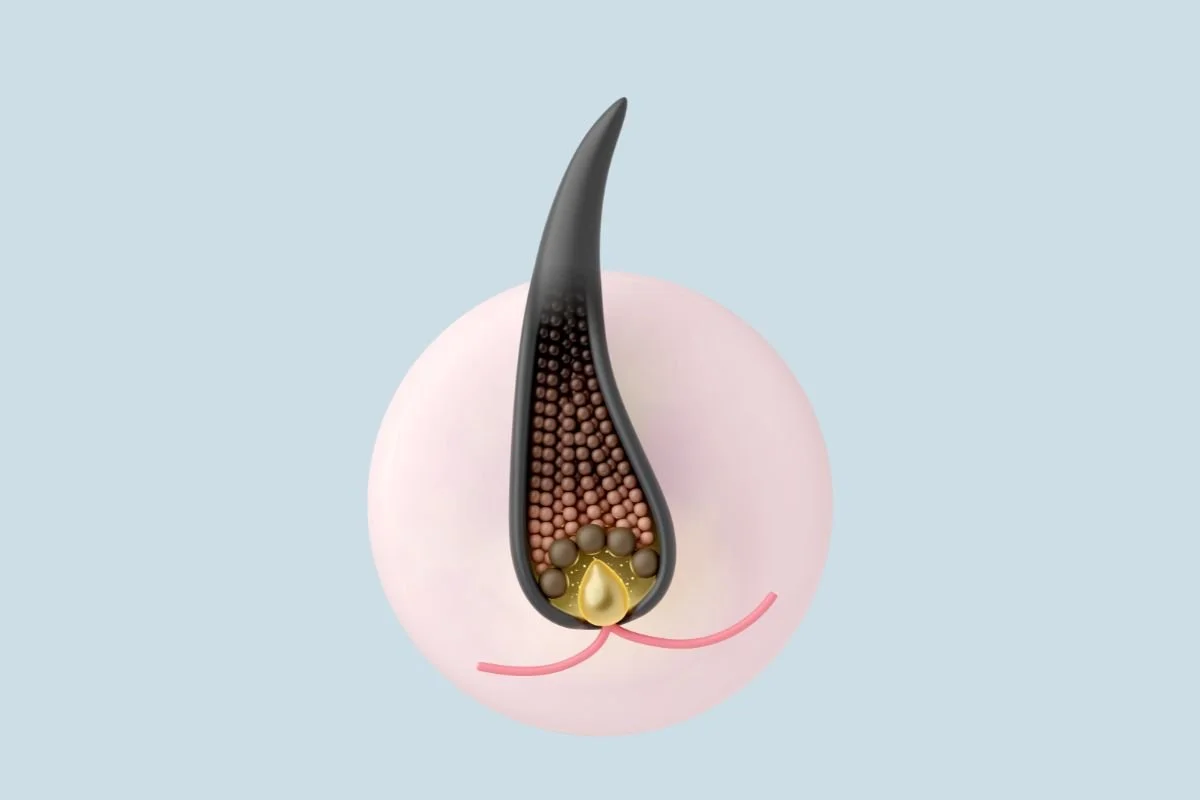
Shaving cuts hair at the surface while waxing pulls it out by the root, that difference matters. Shaving only affects the skin's surface, while waxing removes hair from the root, which can impact hair growth and lead to slow regrowth.
When you remove the entire hair shaft including the bulb, you disrupt the growth cycle at a deeper level. Over time, this weakens the follicle. Waxing removes hair from the root, which impacts hair follicles and the hair growth process, leading to finer and slower regrowth. That means:
Hair grows back slower
Texture becomes finer
Density decreases in some areas
Consistent waxing makes waxing easier over time as hair grows back finer and sparser
But let’s be clear. This isn’t permanent hair removal. It’s progressive. While waxing doesn't stop hair growth permanently, it does impact hair growth by weakening the hair root and slowing regrowth. The more consistent you are, the more those follicles chill out. Skip appointments or shave in between, and you’re hitting the reset button.
Hair grows in three phases: anagen (growth), catagen (transition), and telogen (rest). The hair growth process and cycles vary for each person, and waxing is most effective when hair is in the anagen phase. That’s why your timing matters.
Understanding Hair Growth
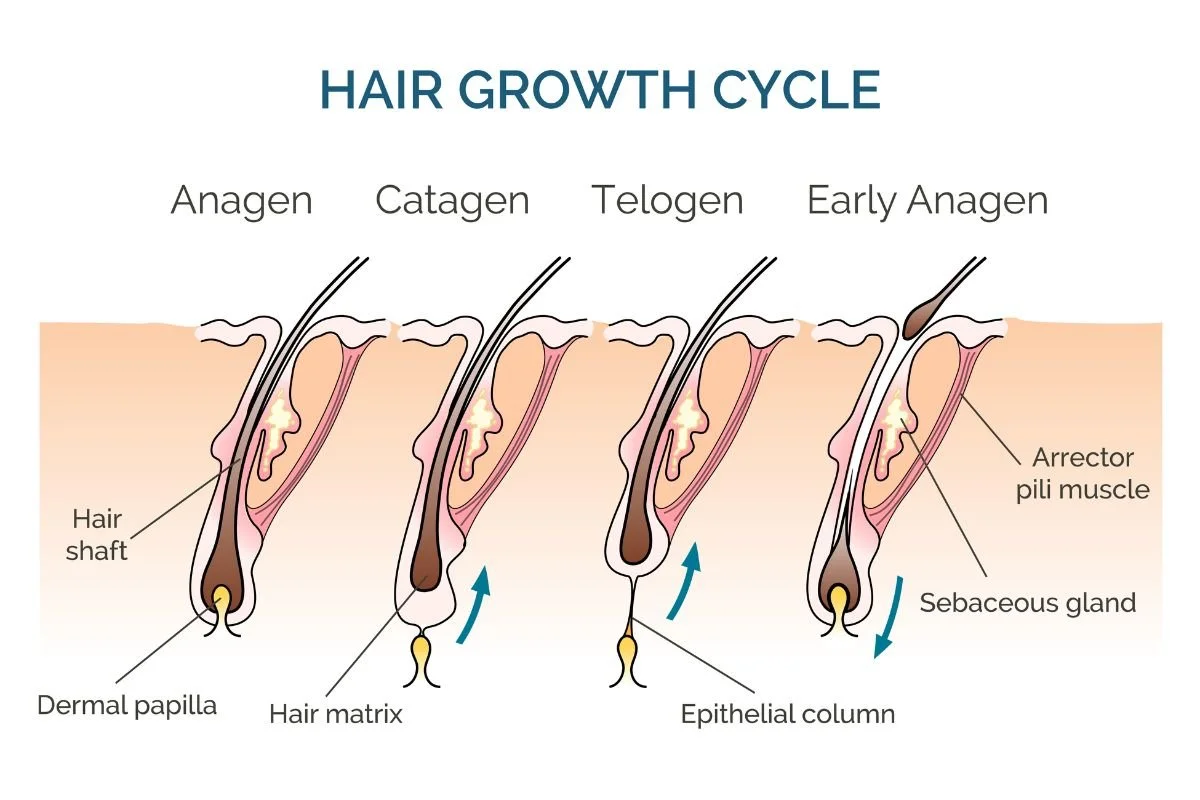
Let’s break down what’s really happening beneath the surface. Hair growth isn’t just about what you see, there’s a whole process going on inside your skin. Each hair grows from a hair follicle, and the journey from root to tip follows a set pattern called the hair growth cycle.
This cycle has three main phases: anagen (when your hair is actively growing), catagen (a short transition phase), and telogen (the resting phase before the hair sheds and new growth begins).
The anagen phase is where the magic happens: how long your hair stays in this stage determines how long it can grow. The hair shaft itself is made up of three layers, all built by the follicle. Genetics, hormones, and even your self-care habits can impact how your hair grows and how quickly it comes back after hair removal.
Why does this matter for Brazilian waxing? Because consistent waxing targets hairs at different points in their growth cycle. Over time, this disrupts the normal rhythm, leading to thinner hair regrowth and a slower hair growth rate. The more you stick to your waxing schedule, the more you’ll notice less hair and finer texture as your follicles get the message.
Understanding this cycle is key to making any hair removal method, especially waxing, work in your favor.
How Long It Takes to See Thinner Regrowth

After your first wax, you may not see immediate changes, but with each session, finer hair regrowth becomes more apparent. Expecting thinner hair after one wax? You’re setting yourself up for disappointment. Here’s what’s actually realistic:
1–2 sessions: Skin feels smoother: no stubble, no shadow but regrowth still looks the same. New hair may feel softer but is not yet noticeably thinner.
3–4 sessions: Softer texture: Less itching, Fewer bumps. Regrowth may start appearing more spaced out.
5–6 sessions: Longer-lasting smoothness: Finer hair. Easier removal. Less to manage overall. By this stage, many people notice significantly less hair and longer intervals before their next wax is needed.
This only happens if you’re waxing every 4–5 weeks. Not once every 10. Want real results? Get consistent and stay that way.
When Waxing Doesn’t Make Hair Thinner

Let’s keep it real. Waxing doesn’t work the same for everyone. Results can vary depending on genetics, hair type, and hormonal factors.
Some people have deeper root systems, stronger follicles, or hormonal imbalances that override the process. You’re not going to out-wax PCOS. If your hormones are working against you, waxing might not make a huge difference. It’ll still help but changes may take longer or stay subtle.
Same goes for:
Inconsistent waxing (once every 3 months doesn’t count)
Shaving between sessions (you’re confusing the follicle)
Naturally coarse or dense hair (thanks, genetics)
Even if your hair doesn’t thin much, waxing still gives you smoother skin, fewer ingrowns, and less irritation overall. That alone makes it worth it. Following a consistent schedule: ideally every 4–6 weeks is key to getting the best results from waxing.
Why Most People Don’t See Results And How to Fix It
Here’s where most clients go wrong: they wax once, maybe twice, and expect long-term change. Then they fall off their schedule, start shaving again, and get frustrated when nothing improves. To maintain your progress and achieve thinner, sparser regrowth, it's important to avoid shaving between waxing sessions.
What your hair needs is consistent pressure. When you stay on a 4–5 week cycle, you’re training the follicle to weaken over time. Every skipped session is a step backward.
This isn’t about chasing perfection. It’s about building a rhythm. Like working out or eating clean, results only come when you stay in the process long enough to let your body catch up.
Common Myths About Waxing & Hair Thinning

Let’s shut down a few lies floating around TikTok and Reddit:
“Waxing makes hair grow back thicker.”
False. That’s a post-shave illusion. Waxing removes the root. Shaving slices the tip.“If you wax enough, your hair stops growing.”
Not true. Waxing does not permanently stop hair growth, but with regular sessions, it can reduce hair thickness over time. Consistent waxing weakens the hair follicle, leading to finer and less dense regrowth, but it won’t completely stop hair growth like laser or electrolysis.“One wax and I saw results!”
Cool. But most people need 3–6 sessions to see real, lasting change.
Comparison to Other Methods
Not all hair removal methods are created equal. Brazilian waxing stands out because it removes hair from the root, not just the surface. When you wax, you’re pulling the entire hair shaft out, which means it takes longer for hair to grow back. That’s why you can enjoy smooth, hair-free skin for weeks, instead of just days.
Compare that to shaving: a razor only cuts hair at the skin’s surface, so stubble pops up fast and the hair grows back with a blunt edge, making it feel coarser. Other hair removal methods, like creams or sugaring, each have their own pros and cons, some are gentler, some are messier, and some don’t last as long. Sugaring, for example, is similar to waxing but uses a different formula and technique.
Brazilian waxing is a favorite for those who want to remove all the hair from sensitive areas like the bikini line or pubic area. Here at Vanilla Sugar we utilize our custom made wax-both hard and soft wax. Ultimately, the best wax and method depends on your hair type, skin sensitivity, and how long you want to stay smooth. But if you’re after longer-lasting results and less hair regrowth, waxing is tough to beat.
Safety Considerations
Brazilian waxing is generally safe, but it’s not without its challenges especially if you have sensitive skin. Common side effects include skin irritation, redness, and the occasional ingrown hair. These issues are usually temporary, but they can be annoying if you’re not prepared.
To keep your skin happy, follow a few simple rules: avoid direct sun exposure right after waxing, exfoliate gently to prevent ingrown hairs, and keep the waxed area moisturized. If you’re new to waxing or have a medical condition, check with a healthcare professional before booking your appointment.
Sticking to a regular waxing schedule not only helps you see less hair growth over time, but it also makes each session easier and less uncomfortable. Remember, waxing makes hair grow back finer and softer, so you’ll notice less irritation and fewer ingrown hairs as you go. With the right aftercare and a little patience, Brazilian waxing can be a safe, effective way to achieve smooth, hairless skin: no razor burn or shaving cuts required.
How to Maximize Long-Term Results

Want thinner regrowth and smoother skin between sessions? This is how you get it:
Stick to a 4–5 week schedule
That’s your sweet spot for catching hair in the right growth phase.Don’t shave in between
Every time you shave, you undo progress. It’s like planting seeds, then digging them up before they sprout.Exfoliate 2–3 times a week
Prevents trapped hairs. Exfoliating helps remove dead skin cells from waxed areas, promoting smoother skin and better waxing results. Use a gentle scrub or acid-based exfoliant, nothing harsh.Use the right aftercare
Calming serums, bump treatments, hydration. Proper care of waxed areas, especially sensitive spots like the bikini area, is essential for optimal results. Skip heavy oils, heat, or workouts for 24–48 hours post-wax.Track your progress
Photos. Notes. Small wins. Tracking helps you stay motivated and helps your esthetician customize your plan.
Not sure what to use? Ask us. We’ve got post-wax essentials that actually work. For personalized advice and to maximize your waxing results, consult a waxing expert.
Final Takeaway: It Works If You Work It
So, does Brazilian waxing make hair grow back thinner?
Yes, if you stay consistent. No, if you don’t.
This isn’t a quick fix. It’s a long-term shift. Less regrowth. Finer texture. Shorter appointments. Smoother skin that lasts. But only if you commit.
Keep skipping and shaving, and you’ll stay stuck in the same cycle: shave, regrow, irritation, repeat.